
 tr
tr  id
id 





Thank you for contacting us.
We will get back to you shortly.
Endoscopic Face Lift
Duration of surgery
3-4 hour
Duration of hospitalization
1 night
Recovery time
1-2 weeks
Duration of surgery
3-4 hour
Duration of hospitalization
1 night
Recovery time
1-2 weeks
Table Of Contents
Everything To Know About an Endoscopic Facelift
Endoscopic facelift surgery is one of the most innovative and effective methods offered by modern plastic surgery. Our plastic surgeon performs this technique, which is less invasive than traditional facelift operations, through small incisions using a thin camera called an endoscope.
In this way, the surgeon performs a precise and detailed study by watching the facial tissues on the screen. Endoscopic facelift gives effective results, especially in the removal of sagging and wrinkles on the face, and gives patients a younger, fresher appearance.
The specialist can apply endoscopic facelift surgery in different areas, and each application may produce different results. For example, in the endoscopic mini facelift, the doctor performs minimally invasive techniques in certain areas of the face. This method is usually suitable for milder sagging and wrinkles, and the recovery time is quite short.
There are many important points you should pay attention to before and after endoscopic facelift surgery. Endoscopic facelift before and after photos are an important reference source for those who want to have an idea about the results of this surgery. Before the surgery, you need to undergo a detailed evaluation and share your expectations with our surgeon.
This facelift surgery allows you to return to your daily life faster because it is minimally invasive. Since there are smaller incisions compared to traditional facelift operations, this method causes you to feel less pain and discomfort in the post-operative period. In addition, thanks to endoscopic techniques, our surgeon can manipulate your facial tissues more precisely, allowing you to achieve more natural results.
The recovery after endoscopic facelift surgery is usually fast. Soon after surgery, you can return to your light activities within a few days. However, you should avoid heavy physical activities and protect the surgical site. Following the doctor's care instructions will help speed up your recovery and reduce your risk of complications.
What is an Endoscopic Facelift?
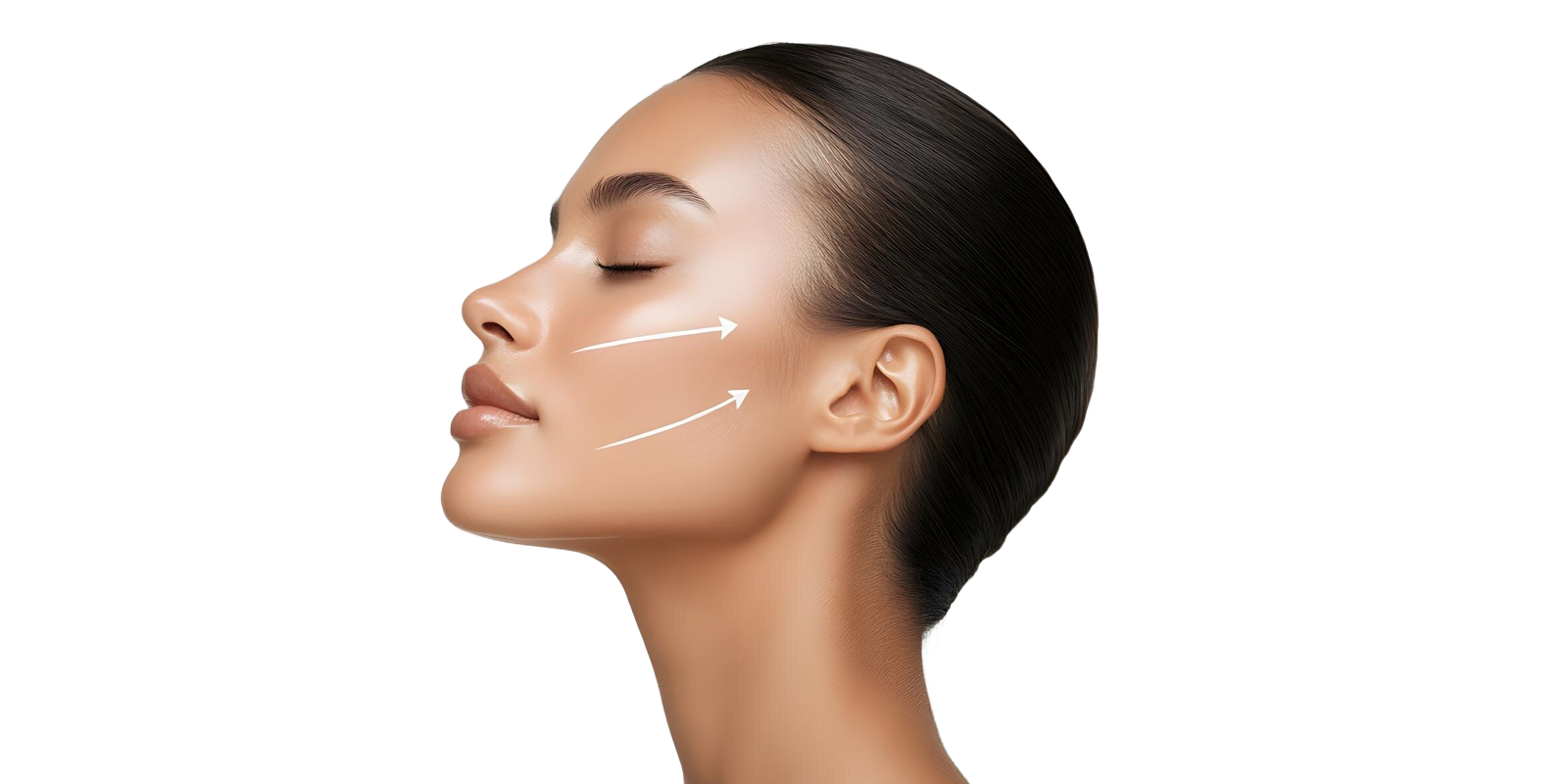
Endoscopic facelift is an important type of surgery that our surgeon performs using the endoscope device by making small incisions. The endoscope device allows the surgeon to see the facial tissues in detail on the screen so the specialist can perform more precise and effective interventions.
One of the most important advantages of endoscopic facelift surgery is that the healing process is shorter and more comfortable because it is minimally invasive. The incisions that the doctor will make during surgery are usually located within the hairline or natural folds. Thus, post-operative scars remain minimal. This allows you to return to your daily life in a shorter time. Thanks to endoscopic techniques, your facial tissues are exposed to less trauma, which reduces your risk of post-operative complications.
Another important advantage of this facelift surgery is that it gives your face a more natural appearance. In traditional facelift surgeries, the face can sometimes be overstretched, and an unnatural appearance can occur.
However, with endoscopic techniques, you are much less likely to encounter such problems. By lifting and repositioning your facial tissues through small incisions, our surgeon preserves the natural contours of your face, and you will achieve a more youthful appearance.
The results of endoscopic facelift surgery are also usually long-lasting, but this can vary from person to person. The aging process and genetic factors can affect the permanence of your post-operative results.
Pros and Cons of Endoscopic Facelift Surgery
The advantages and disadvantages of this procedure are an important decision-making process for those considering surgery. Here are the pros and cons of endoscopic facelift surgery:
Pros
- Minimally invasive technique: This procedure is less invasive compared to traditional facelifts. In this procedure, the specialist makes smaller incisions during the surgery, and therefore, there is less scarring after surgery. The small incisions are usually located within the hairline or in the natural facial folds, making post-operative scars almost invisible.
- Fast recovery: Thanks to endoscopic techniques, your tissues are exposed to less trauma. This makes your healing process faster and more comfortable. Post-operative swelling and bruising usually subsides within a few weeks, and you can return to your daily activities more quickly.
- Natural appearance: This surgery preserves the natural contours of the face, giving you a younger and fresher look. By lifting and repositioning your facial tissues through small incisions, the surgeon rejuvenates your face without disturbing its natural structure.
- Reduced risk of complications: Because it is a less invasive procedure, the risk of complications after this surgery is greatly reduced. Small incisions and minimal trauma minimize the risk of complications such as infection and bleeding.
Cons
- Limited area of application: This procedure is particularly effective in the upper and middle areas of the face. However, it may not be easy to achieve the desired results in larger areas such as the neck and chin.
- Surgeon's experience: This surgery is a procedure that requires expertise and experience. Therefore, the surgeon's experience in this field is of great importance. Surgery performed by an inexperienced surgeon may lead to unwanted results and complications.
- Cost: The cost of endoscopic facelift surgery is higher than that of traditional facelift surgeries. The advanced technology used by specialists will increase the cost of surgery.
Comparing Endoscopic Facelift to Traditional Facelift
Endoscopic and traditional facelift surgeries are among the most preferred aesthetic procedures in the field of facial rejuvenation. Both techniques aim to give patients a younger and more dynamic appearance. Also, there are significant differences in terms of application methods, recovery process, and results obtained. Here is a comparison of endoscopic facelift and traditional facelift surgeries:
Endoscopic facelift surgery
- The specialist performs this facelift surgery through small incisions, which are usually located within the hairline or in the natural facial folds. In this way, post-operative scars are minimal, and you can return to your daily life sooner.
- Endoscopic techniques accelerate the healing process with less damage to the tissues. Post-operative swelling and bruising usually subsides within a few weeks, and you will feel less discomfort.
- This procedure preserves the natural contours of the face, allowing you to achieve a more youthful appearance. By lifting and repositioning facial tissues through small incisions, the surgeon rejuvenates the face without disturbing its natural structure.
- As it is a less invasive procedure, the risk of post-procedure complications is also reduced. Small incisions and minimal trauma minimize the risk of complications such as infection and bleeding.
Traditional facelift surgery
- Traditional facelift surgery covers larger areas of the face and corrects sagging, especially in the neck and chin area. This method may be more suitable for older patients as it provides a more comprehensive rejuvenation.
- Since the traditional method requires larger incisions and more invasive interventions, the recovery process can be longer and more challenging. Post-operative swelling and bruising are usually more noticeable, and patients may take several months to recover fully.
- The incisions in this method are usually larger and more prominent. These incisions extend along the hairline, behind the ears, and along the jawline, and post-operative scars will be more visible.
Understanding the Endoscopic Facelift Risks
Although endoscopic facelift is a very popular and effective procedure in the field of facial aesthetics, it may involve some risks and complications, albeit minimal. People considering this surgery should know the potential risks and possible complications in advance and make informed decisions. Here are the endoscopic facelift risks:
- Infection: There is always a risk of infection during or after surgery. Small incisions reduce this risk but don’t eliminate it. To prevent infection, you should pay attention to post-operative hygiene rules and use the antibiotics prescribed by the doctor regularly.
- Bleeding and hematoma: Bleeding may occur during or after surgery. A hematoma is an accumulation of blood under the skin and usually occurs within a few days after surgery. A hematoma causes swelling and bruising at the surgical site. This is usually temporary, but in severe cases, surgical intervention may be necessary.
- Nerve damage: Facial nerves can be damaged during surgery. Nerve damage can lead to problems such as restricted facial movements, numbness, or asymmetry.
- Swelling and bruising: These problems are quite common in the post-operative period. You should accept them as part of your recovery process. We recommend cold compresses to reduce swelling and bruising.
- Allergic reactions: Allergic reactions to anesthesia and other medications can occur during surgery. Such reactions are usually rare, but in severe cases, medical intervention may be required.
How is the Endoscopic Facelift Procedure Performed?
Endoscopic facelift is a modern procedure performed by our surgeon with minimally invasive techniques in the field of facial aesthetics. With this surgery, you can rejuvenate and tighten your facial contours, and it is a less traumatic approach than traditional surgeries. Here are the steps of endoscopic facelift surgery:
- Preparation and anesthesia
First, you will make pre-operative preparations. At this stage, our specialist evaluates your general health condition and makes a detailed consultation. The doctor plans the surgery by taking into account your expectations, needs, and facial structure. On the day of surgery, the specialist sterilizes your face and cleans the surgical field. You will be under anesthesia during the procedure, and you will hardly feel anything.
- Incisions
The first step of the surgery is for the surgeon to make small incisions. These incisions are usually located in the hairline or natural facial folds so that post-operative scars are minimal. The surgeon inserts a thin camera called an endoscope through these incisions. The endoscope projects detailed images of the facial tissues onto the screen, allowing the surgeon to see the tissues clearly during surgery.
- Process
The surgeon carefully separates and lifts the facial tissues with the help of an endoscope. In the process, the specialist repositions the facial muscles and tissues and removes excess skin. The doctor removes facial sagging and wrinkles, resulting in a younger and fresher appearance. Endoscopic techniques allow the surgeon to manipulate the facial tissues more precisely, resulting in more natural post-operative results.
- Closure of incisions
The surgeon closes the incisions using small, thin stitches. These stitches will usually be located within the hairline or in the natural facial folds. Post-operative care is critical to the successful outcome of endoscopic surgery. Immediately after surgery, you can apply cold compresses around your eyes and face. This will help reduce swelling and bruising that may occur after surgery.
How Long Will Your Endoscopic Facelift Results Last?
The results of endoscopic facelift surgery are usually long-lasting, but how long this lasts varies depending on various factors. This surgery aims to rejuvenate the facial contours, giving a firmer and fresher appearance. The permanence of the results of the surgery may vary depending on the surgeon's experience, your general health condition, the aging process, and care habits.
The aging process progresses at a different rate in each individual. The skin loses its elasticity and firmness over time, which can gradually reduce the effect of the surgical results. Although an endoscopic facelift corrects the existing signs of aging and gives a younger appearance, the aging process continues, and new wrinkles and sagging may occur over time.
Post-operative skincare has a major impact on the permanence of your results. Regular skin care maintains skin elasticity and helps delay the signs of aging. It is important to use moisturizing creams, sunscreens, and anti-aging products to maintain the health and youthful appearance of your skin.
Endoscopic Facelift Recovery Timeline
Since the surgeon performs endoscopic facelift surgery using minimally invasive techniques, your recovery period is usually shorter and more comfortable compared to traditional surgeries. Also, as with any surgical intervention, a certain recovery period is required after the endoscopic facelift. There are some important points you should pay attention to during this period. Here is a step-by-step schedule of the recovery after endoscopic facelift:
- First 24 hours: The first day after surgery is critical for resting and protecting the surgical site. Keeping your head elevated and applying cold compresses will help reduce swelling and bruising. You may experience mild pain and discomfort during this period, but you can control this with painkillers prescribed by the doctor.
- First week: You should avoid heavy physical activity and rest during the first week. Swelling and bruises may be noticeable during this period, but they will decrease over time. You should keep your face clean and follow the care instructions given by the doctor. After this stage, swelling and bruising are greatly reduced.
- One month: One month after surgery, you can usually fully return to normal activities. Swelling and bruising have largely disappeared, and your facial contours are more defined. The elasticity of the skin and the settling of the tissues continue, so you should pay attention to skincare. After this month, you will start to see the results of the surgery more clearly. Your skin and facial tissues heal completely and look natural.
- Long term: In the long term, your facial features will look younger and firmer. The permanence of the surgical results may vary depending on skincare and lifestyle habits.
How Much Does Endoscopic Facelift Cost?
Endoscopic facelift cost varies depending on many factors, such as the location and complexity of the procedure. The most important factors affecting the price of the surgery include the surgeon's experience, techniques, and additional procedures you may prefer depending on your needs. Other factors included in the price of the surgery are anesthesia fees, necessary laboratory tests, and follow-up appointments.
Suppose you want to have a younger and more dynamic appearance with an endoscopic facelift. In that case, you can get detailed information and create a customized treatment plan by contacting our expert surgeon. Our experienced and professional team is here to offer you the best service with its knowledge and care in the field of aesthetic surgery!
Table Of Contents