
 tr
tr  id
id 






Thank you for contacting us.
We will get back to you shortly.
Face Lift
Duration of surgery
3-4 hour
Duration of hospitalization
1 night
Recovery time
1-2 weeks
Duration of surgery
3-4 hour
Duration of hospitalization
1 night
Recovery time
1-2 weeks
Table Of Contents
Revitalize Your Appearance with a Facelift Surgery
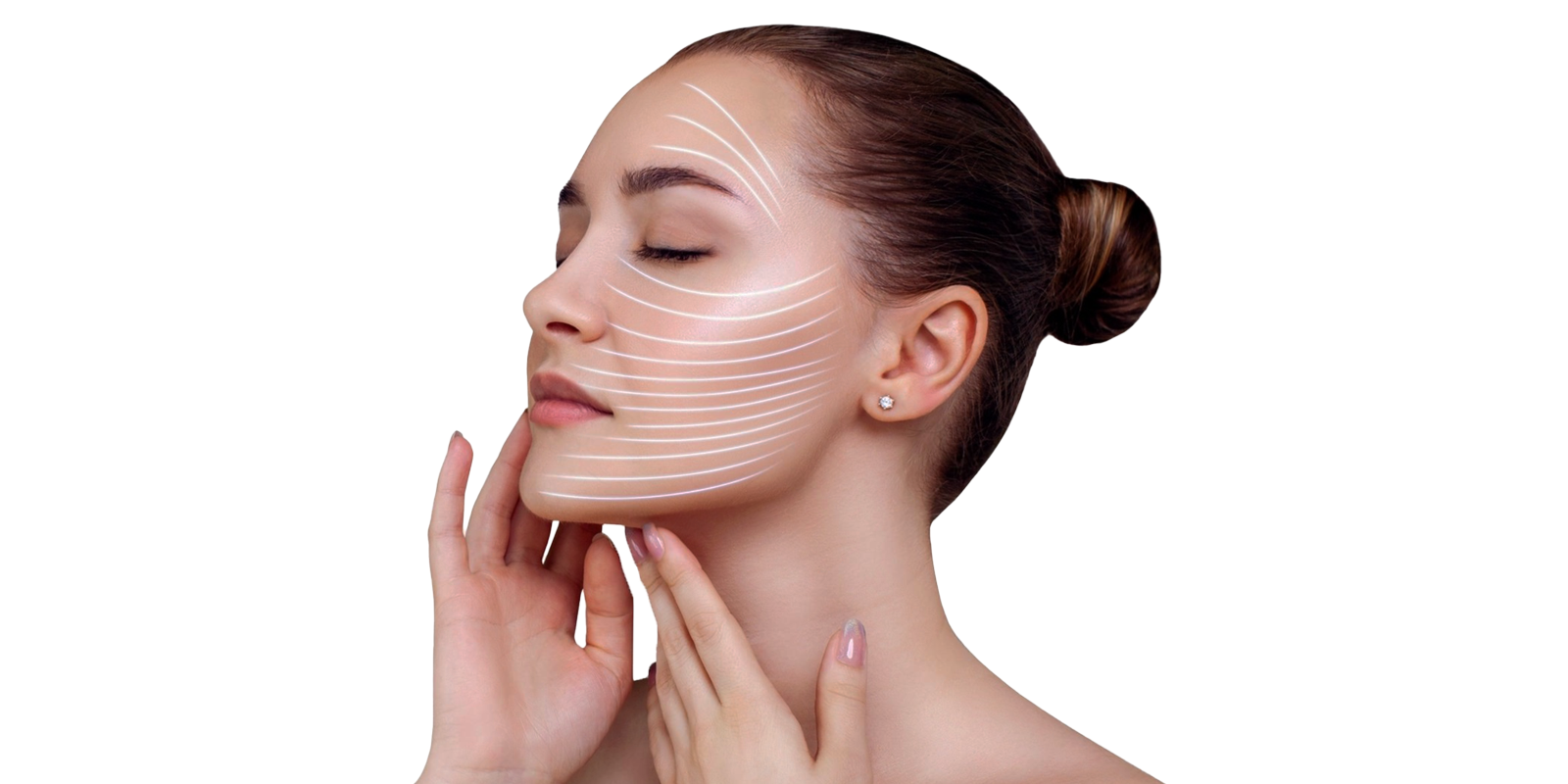
Facelift surgery is a popular plastic surgery procedure that corrects sagging, wrinkles, and other aesthetic problems caused by aging in the face and neck area. Middle-aged and older individuals usually prefer this surgery, and the procedure provides a younger, firmer, and more dynamic appearance to the face. Our surgeon performs facelift surgery using different techniques and approaches, and the surgeon customizes it according to the needs of each patient.
This procedure is one of the most effective methods to remove the signs of aging in your facial area over time. When you examine the facelift before and after photos, we see a significant rejuvenation and recovery of your facial features.
The surgeon performs this procedure using different techniques. You can choose methods such as mini, vampire, and one stitch facelifts (micro facelifts) according to your needs and expectations. The mini facelift is generally a less invasive method, and you can choose it for mild to moderate sagging. This method offers a shorter recovery period, and the results are quite satisfactory.
On the other hand, vampire facelift is a method in which our specialist will use plasma from your blood to rejuvenate your skin and increase its elasticity. The one-stitch facelift or micro method is a procedure that requires minimal incisions and offers fast and effective results.
During facelift surgery, the surgeon removes excess skin and fat tissue from your face, tightens the muscles, and stretches the skin. In this way, facial contours become more defined, and you get a more youthful appearance. The surgeon usually performs the surgery under general anesthesia, and it takes about 2-4 hours. In the first few days after the procedure, swelling and bruising may occur on your face, but this will return to normal within a few weeks.
The recovery process after facelift surgery may vary depending on your general health condition and the extent of the procedure. During the first few weeks, you should avoid heavy physical activity and strictly follow the care instructions given by the doctor. During the recovery period, you should keep your head elevated and get plenty of rest. You should also pay attention to hygiene rules to prevent the risk of infection after surgery.
What is Facelift Surgery?
Facelift surgery is a popular procedure performed by our surgeon to correct sagging, wrinkles, and other aesthetic problems caused by aging in the face and neck area. Our surgeon performs this procedure using different techniques and approaches and can customize it according to the needs of each patient.
This essential surgery is one of the most effective methods to remove the signs of aging in your facial area over time. With the aging process, your skin loses its elasticity, sags with the effect of gravity, and significant changes occur in your facial features. This procedure aims to achieve a younger and more vibrant appearance by eliminating such symptoms.
During facelift surgery, the specialist makes incisions, usually starting in front of the ear and extending towards the hairline. Through these incisions, the doctor accesses the tissues under the skin and removes excess skin and fatty tissue. The specialist also tightens your facial muscles and connective tissue, creating a more defined and youthful facial contour.
The recovery process after facelift surgery may vary depending on factors such as your general state of health, age, skin texture, and compliance with the surgeon's instructions. It is normal to have swelling and bruising in your facial area for the first few days.
The results of facelift surgery are permanent, but as the aging process continues, your skin may become loose and sagging again over time. For this reason, you must adopt a healthy lifestyle after surgery, take regular skincare, and apply non-surgical supportive treatments when necessary.
What Will Happen at the Facelift Consultation?
For people considering this type of surgery, the first step is to have a consultation with our experienced plastic surgeon. This consultation is critical for you to plan the surgery, for our specialist to understand your expectations, and to determine the most appropriate treatment method. So, what happens in the facelift surgery consultation, and what awaits the patients in this process?
In the first stage of the consultation, the surgeon evaluates your general health status and aesthetic expectations. Our plastic surgeon will examine your medical history and current health status in detail. During this evaluation, our specialist will collect information about your past surgeries, existing chronic diseases, allergies, and medications. Also, consider habits such as smoking and alcohol use.
After assessing your general health status, the surgeon tries to understand your aesthetic expectations and the results you want to achieve after surgery. At this stage, the specialist will examine your facial structure in detail and evaluate skin elasticity, muscle structure, and facial contours. After evaluating your expectations and facial structure, the surgeon determines the most appropriate techniques for the procedure.
Does Facelift Surgery Require Preparation?
Facelift surgery is a popular surgical procedure that can solve aesthetic problems caused by aging in the face and neck area. Pre-operative preparation prepares you both physically and psychologically for the surgery and helps you achieve the best results. Here are the things you should pay attention to in the facelift preparation process:
- The first stage of the pre-operative preparation begins with a comprehensive consultation with our experienced plastic surgeon. During this consultation, the surgeon will assess your general health condition and determine whether you are a suitable candidate for surgery.
- You will need to provide detailed information about your medical history, previous surgeries, existing diseases, allergies, and medications. This information will help the surgeon minimize potential risks during and after surgery.
- If you smoke, we recommend that you quit smoking at least a few weeks before surgery. Smoking adversely affects your blood circulation, slowing down the healing process and increasing the risk of infection.
- During the pre-operative period, your surgeon may recommend certain medical tests and evaluations. Basic health screenings such as blood tests and heart and lung checks are essential for you to safely undergo surgery. You may also need to stop taking certain medications before surgery. In particular, blood thinners and herbal supplements can increase the risk of bleeding during and after surgery.
- Before surgery, your surgeon will give you specific instructions for the day of surgery. Generally, you may need to fast for a certain period before surgery. This usually lasts from 6-8 hours, and you may need to consume nothing, including water, on the morning of surgery. Following these instructions is very important for your anesthesia process to go smoothly.
What are the Risks of Facelift Surgery?
Although this surgery is very reliable in the field of aesthetic surgery, there are certain risks, as with every surgical intervention. You must be informed about these risks and make your decisions consciously. Here are the risks of facelift surgery:
- One of the most common risks of this surgery is infection. The incisions that the specialist will make on the skin during surgical procedures can create an entry point for bacteria to enter your body. Symptoms of infection include redness, swelling, pain, and a rise in temperature at the incision site. If the infection spreads, fever and a general feeling of discomfort may also occur.
- Another important risk factor is bleeding and hematoma formation. During and after surgery, bleeding may occur in the cut areas. This can cause blood to accumulate under the skin and cause swelling called hematoma. A hematoma usually appears within a few days after surgery and causes swelling, pain, and bruising in the surgical site.
- Nerve damage may also occur during surgery. Damage to the nerves in the facial area can cause temporary or permanent loss of sensation. Nerve damage often affects the control of facial muscles and leads to asymmetry in facial expressions. Symptoms of nerve damage include numbness, tingling, or numbness in certain areas of the face. This usually resolves spontaneously within a few weeks, but in some cases, it can be permanent.
- Another complication that can occur after surgery is scarring. The incisions in the surgery may leave scars as they heal over time. The specialist will usually make these scars invisible by hiding them in natural skin folds and within the hairline.
How is Facelift Surgery Performed?
This surgery corrects aesthetic problems such as sagging, wrinkles, and skin loosening in the face and neck area due to aging. This surgery makes the skin look younger, firmer, and more dynamic. Here are the steps of facelift surgery:
- Anesthesia
When the day of surgery arrives, you will be taken to the operating room, and our surgeon will usually operate under general anesthesia. General anesthesia allows you to sleep completely and feel no pain during the operation. After the anesthesia, the surgeon prepares the surgical site in a sterile way and starts the operation.
- Incisions
During the procedure, the surgeon makes incisions, usually starting in front of the ear and extending towards the hairline. These incisions provide access to the tissues under the skin and help the specialist hide the scars within the natural skin folds. With these incisions, the surgeon smooths excess fatty tissue and loose muscles under the skin. If necessary, the specialist tightens the skin by removing excess skin, allowing you to achieve a firmer appearance.
- Contouring
After making the incisions, the surgeon removes or reshapes the excess fatty tissue under the skin. At this stage, the specialist may also use liposuction. In this way, your facial contours become more defined, and you get rid of unwanted fat deposits.
- Incision closure
After removing the fatty tissue, the surgeon tightens and repositions the facial muscles. This procedure gives the muscles under your face a more youthful and firmer appearance. Tightening your muscles helps to make your facial contours more defined and removes sagging.
After tightening the muscles, the surgeon carefully stretches the skin and removes excess skin. At this stage, it is important to maintain the natural appearance of the skin and avoid excessive tension. By stretching the skin, the surgeon reshapes your facial contours, and you will achieve a more youthful appearance.
After removing the excess skin, the specialist carefully closes the incisions and makes the stitches. After the surgery, the specialist applies bandages and compression garments to your face. You use these bandages to reduce post-operative swelling and bruising and to speed up the healing process.
What Happens in the Facelift Surgery Recovery Process?
For this surgery to give successful results and achieve your desired aesthetic goals, you need to carefully manage the post-operative recovery process. The recovery after facelift surgery may vary depending on your general health condition, age, skin structure, and the extent of the surgery. Here are the things you should pay attention to during the recovery process after facelift surgery:
- Swelling and bruising may occur on your face in the first few hours. However, this is a natural result of the surgery and is usually not something to worry about.
- The first few days after surgery are the most critical period for your recovery. During this period, we recommend that you keep your head elevated and get plenty of rest. Keeping your head above the heart level by placing a few pillows under your head while lying down will help reduce swelling. You will also take the painkillers prescribed by your doctor regularly. The pain usually eases in the first few days and gradually goes away completely.
- During the first week, you should avoid heavy physical activity and don’t strain your facial muscles. Avoid sudden movements and stay away from activities that may cause your facial muscles to overwork. In addition, you should limit smoking and alcohol consumption in the post-operative period and even quit completely if possible.
- At the end of the first week, you can most likely return to normal daily activities. However, you should still avoid heavy exercise and strenuous work. Swelling and bruising usually decrease significantly during the second week but may take several weeks to disappear completely. During this period, cold compresses recommended by the doctor can help swelling and bruising heal faster.
- During the recovery process after the procedure, you need to pay attention to nutrition and hydration. Drinking plenty of water and adopting a balanced diet will positively affect your healing process. In addition, taking care of the skincare and using the products recommended by the doctor will help the skin heal faster and look healthier.
- The healing process after the procedure usually varies between a few weeks and a few months. In the first few weeks, your swelling and bruising will be greatly reduced, and you will have a more normal appearance.
How Much Does Facelift Surgery Cost?
The cost of facelift surgery varies depending on many factors. The price of facelift surgery depends on various factors, such as the surgeon's experience, geographical region, techniques, and the scope of the surgery. The techniques preferred by the surgeon and the scope of the surgery are other important factors that affect the price.
For example, less invasive procedures, such as mini facelifts, are usually more affordable, while full facelifts are more expensive. Also, additional procedures such as liposuction or fat injection during surgery can increase the total cost.
Suppose you want to achieve a youthful and dynamic appearance with facelift surgery. In that case, you can contact our expert team and create the most suitable treatment plan with a customized cost analysis. With our experienced surgeon and modern techniques, we are here to help you achieve your aesthetic goals.
Table Of Contents